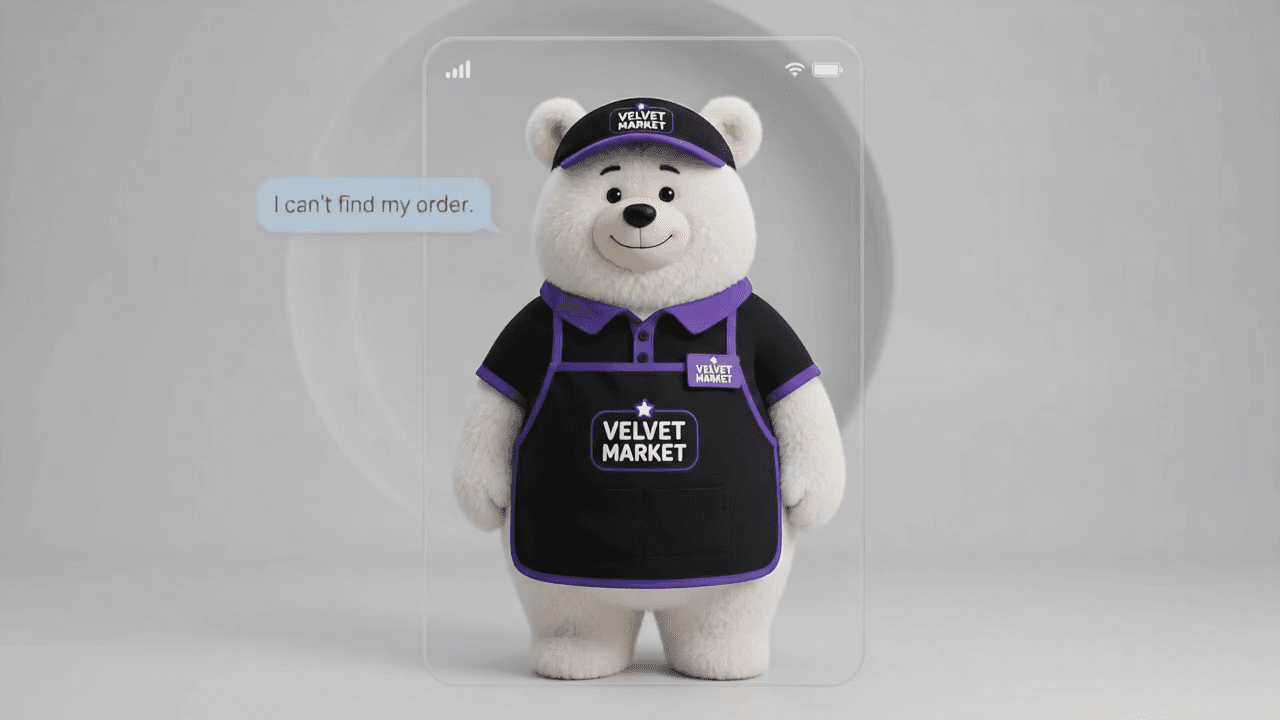
Een goede overdracht is niet wat er gebeurt als de AI faalt. Het is een van de reizen het product moet worden ontworpen om goed te voltooien.
Dat wordt nog belangrijker wanneer een Brandbot medewerkers, studenten of klanten ondersteunt op momenten met frustratie, onzekerheid of emotioneel gewicht.
Ken de grens
Hulpzaam begint met eerlijk te zijn over de rol.
Voordat we een dialoog ontwerpen, definiëren we wat de Brandbot kan beantwoorden, wat hij nooit zou moeten afleiden en welke signalen een route naar een persoon zouden moeten openen. Die grenzen moeten zichtbaar zijn in de ervaring en niet verborgen in een beleidspagina.
Context dragen
Niemand zou het moeilijke deel twee keer moeten beginnen.
Wanneer toestemming en de omringende systemen dit toelaten, moet een overdracht de nuttige context behouden: wat de persoon probeert te doen, waar de reis is gestopt en welke goedgekeurde stappen al zijn geprobeerd.
De mens moet een duidelijk uitgangspunt krijgen. De gebruiker moet begrijpen wie het overneemt en wat er gaat gebeuren.
Houd het karakter eerlijk
Warmte werkt het beste als het niet vervaagt verantwoordelijkheid.
Een expressief karakter kan frustratie erkennen en instructies gemakkelijker te volgen maken. Het mag geen valse zekerheid scheppen of professionele deskundigheid impliceren die het niet heeft. Emotionele intelligentie gaat net zo veel over zelfbeheersing als expressie.
De beste escalatie voelt als een continue daad van steun.