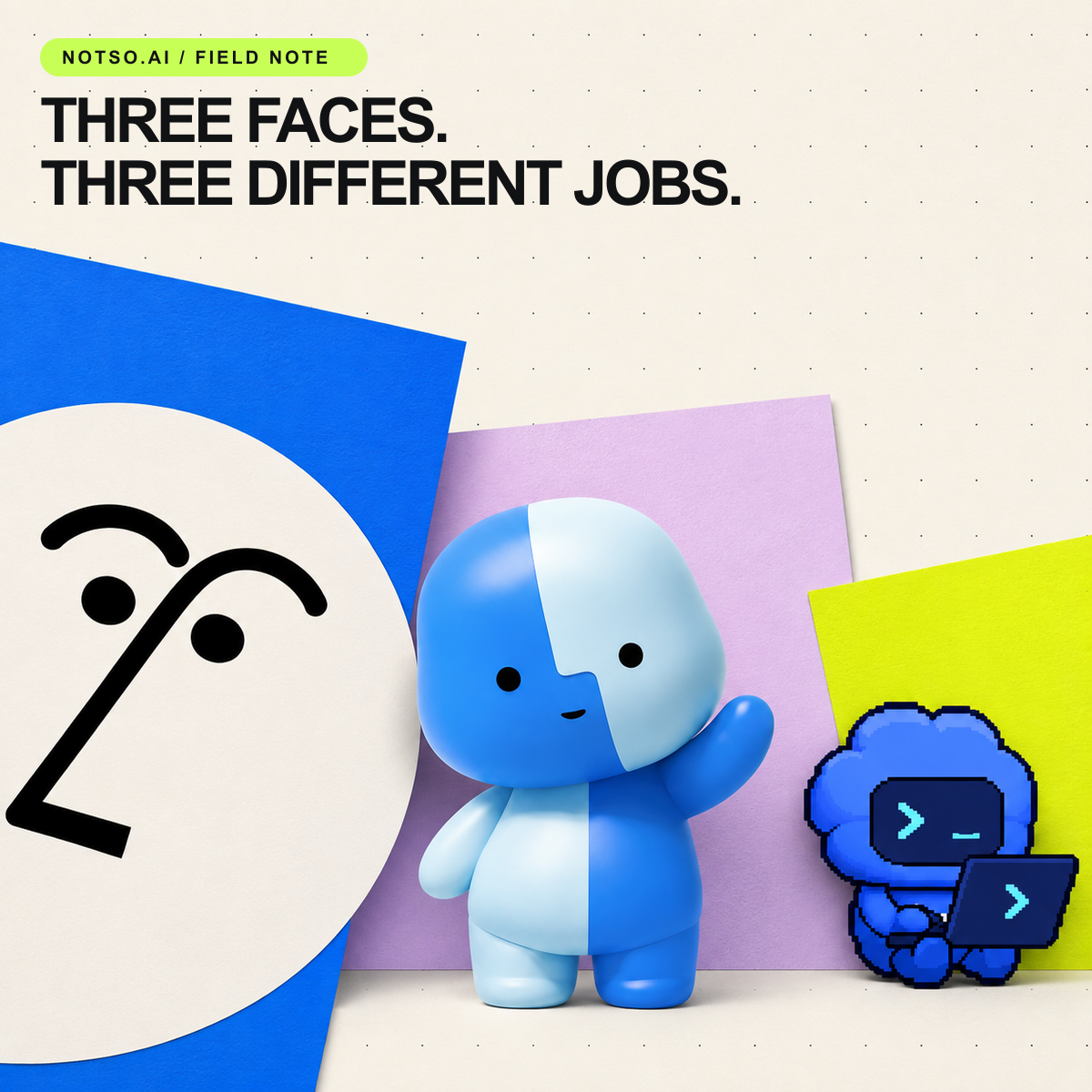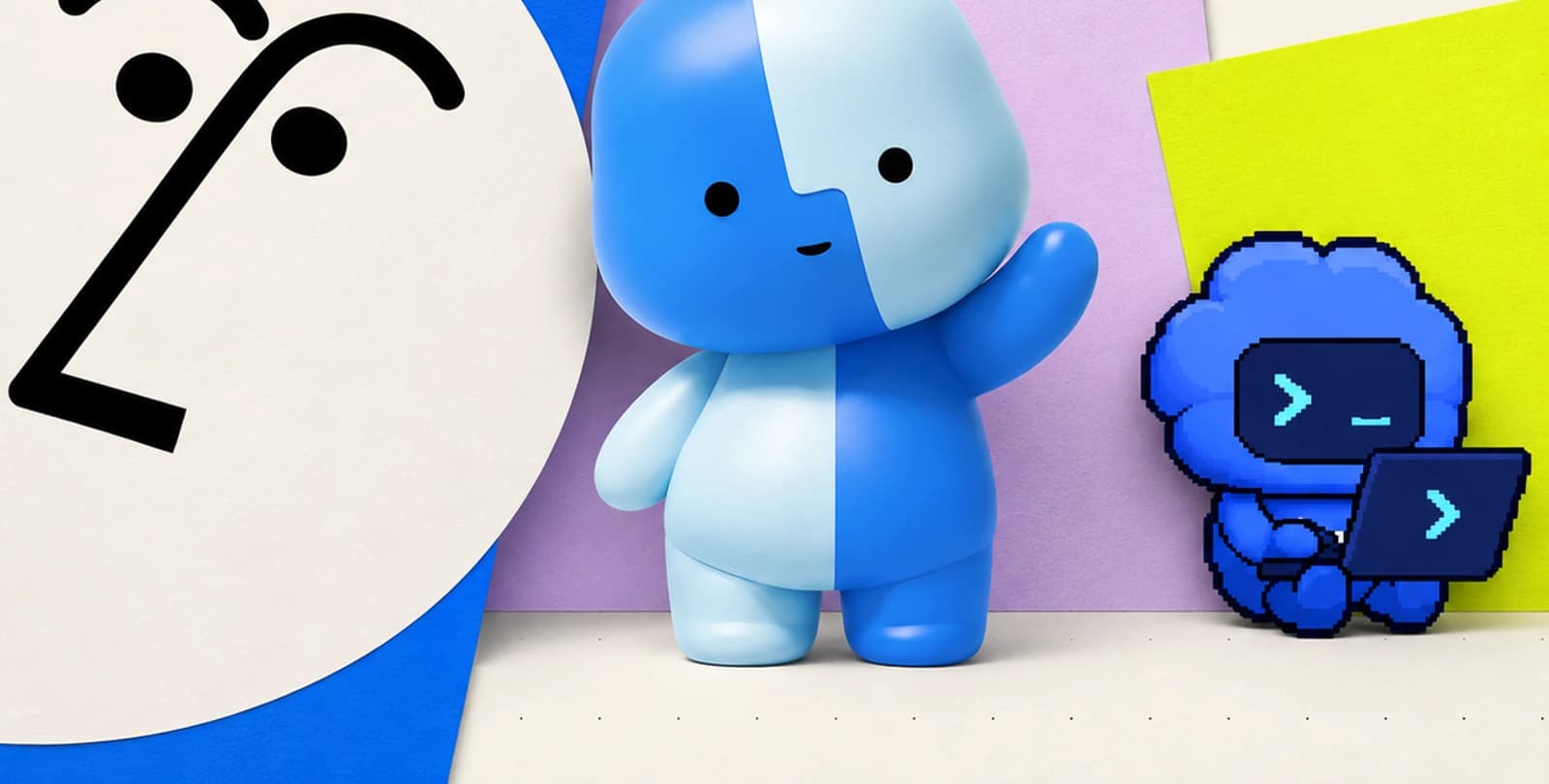
Drie van de meest herkenbare technologie merken hebben een karakter tussen mensen en complexiteit. In een oogopslag, Notion
Kijk beter en het meer waardevolle patroon is verschil. Eén teken vertaalt interfacestatus naar expressie. Men voert een campagne in de cultuur. Men verandert achtergrondactiviteit in een aanwezigheid die je kunt volgen. De les is niet dat elke AI een mascotte nodig heeft. Het is dat elk nuttig karakter een duidelijke baan nodig heeft.
Notion AI Assistant
Het gezicht verandert interface staat in prestaties.
Het karakter van Notion Het productieteam van BUCK
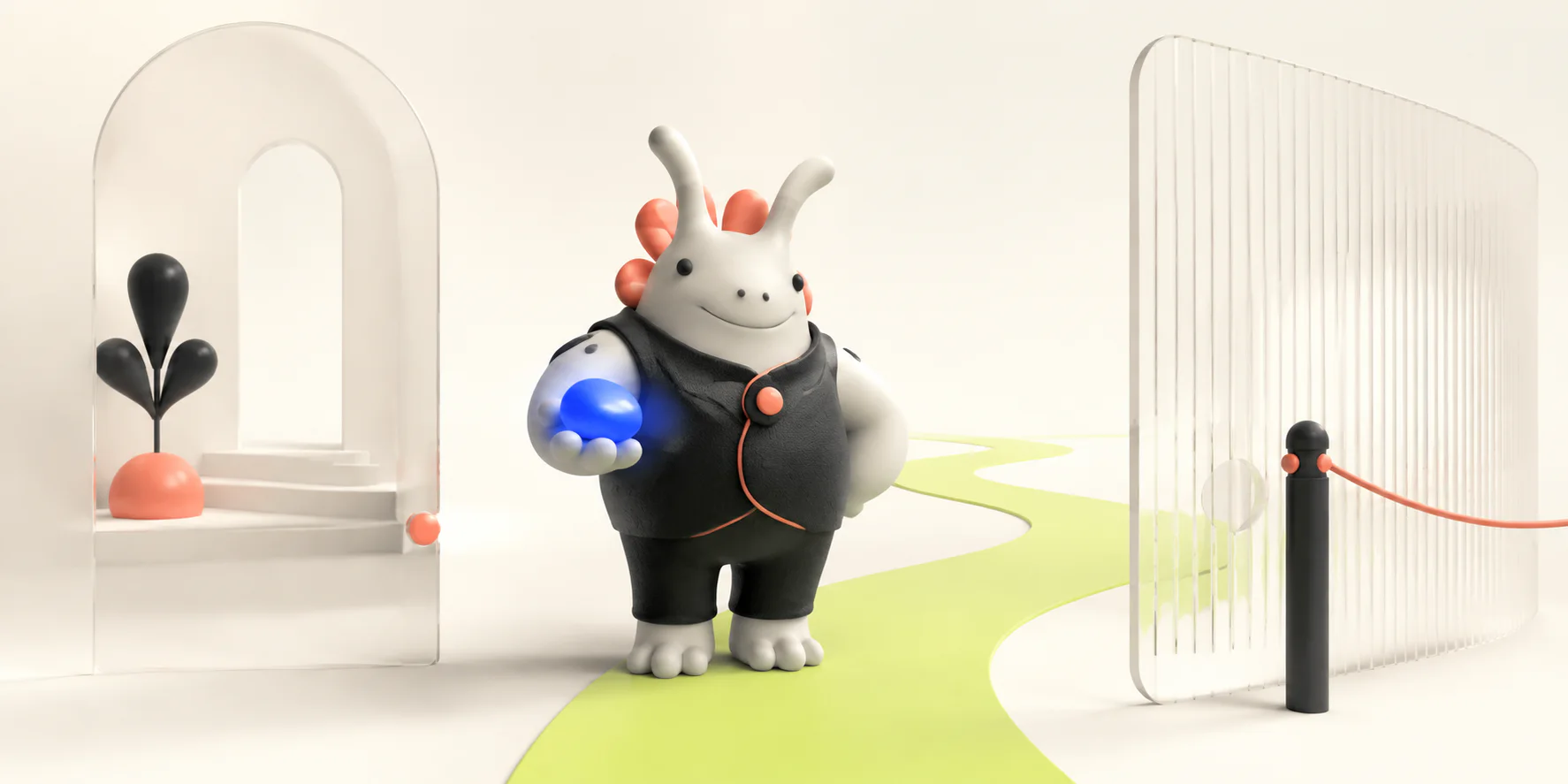
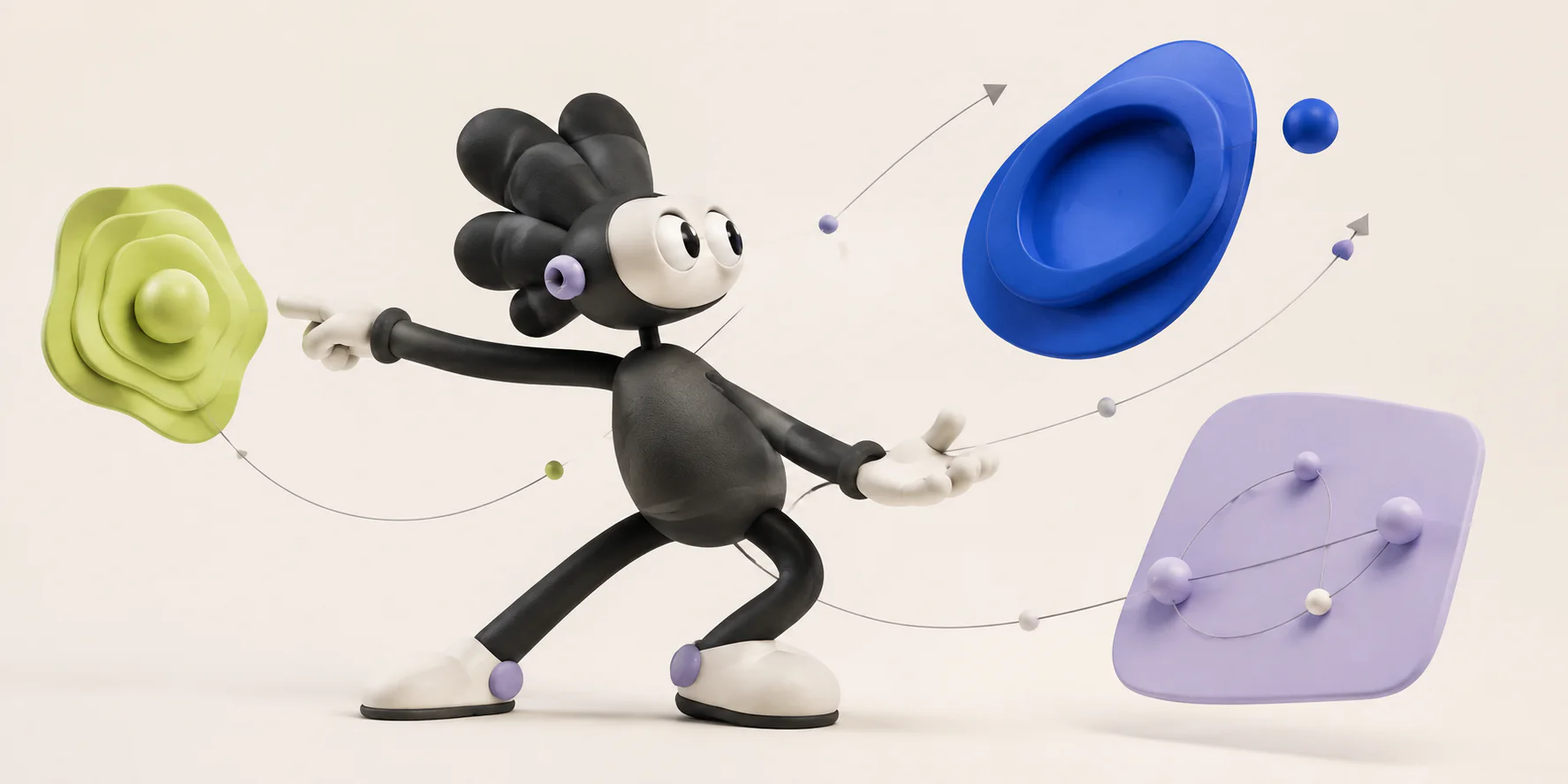
Die technische keuze geeft het karakter een producttaak. Denken, succes en fouttoestanden stoppen met het zijn generieke spinners of waarschuwingen en worden kleine prestaties. Het gezicht blijft alert zonder aandacht te vragen, waardoor systeemfeedback leesbaarder en minder mechanisch voelt.
Notion heeft sindsdien zijn Agent uitgebreid tot een teamgenoot die pagina's en databases kan maken en bewerken, werkruimte context kan gebruiken en gepersonaliseerd kan worden met een naam en accessoires. Het karakter is dus niet alleen campagne decoratie; het zit op de drempel van het werkende product.
Appeltjes kleine zoekertje
De mascotte verandert een bekend symbool in een campagne deelnemer.
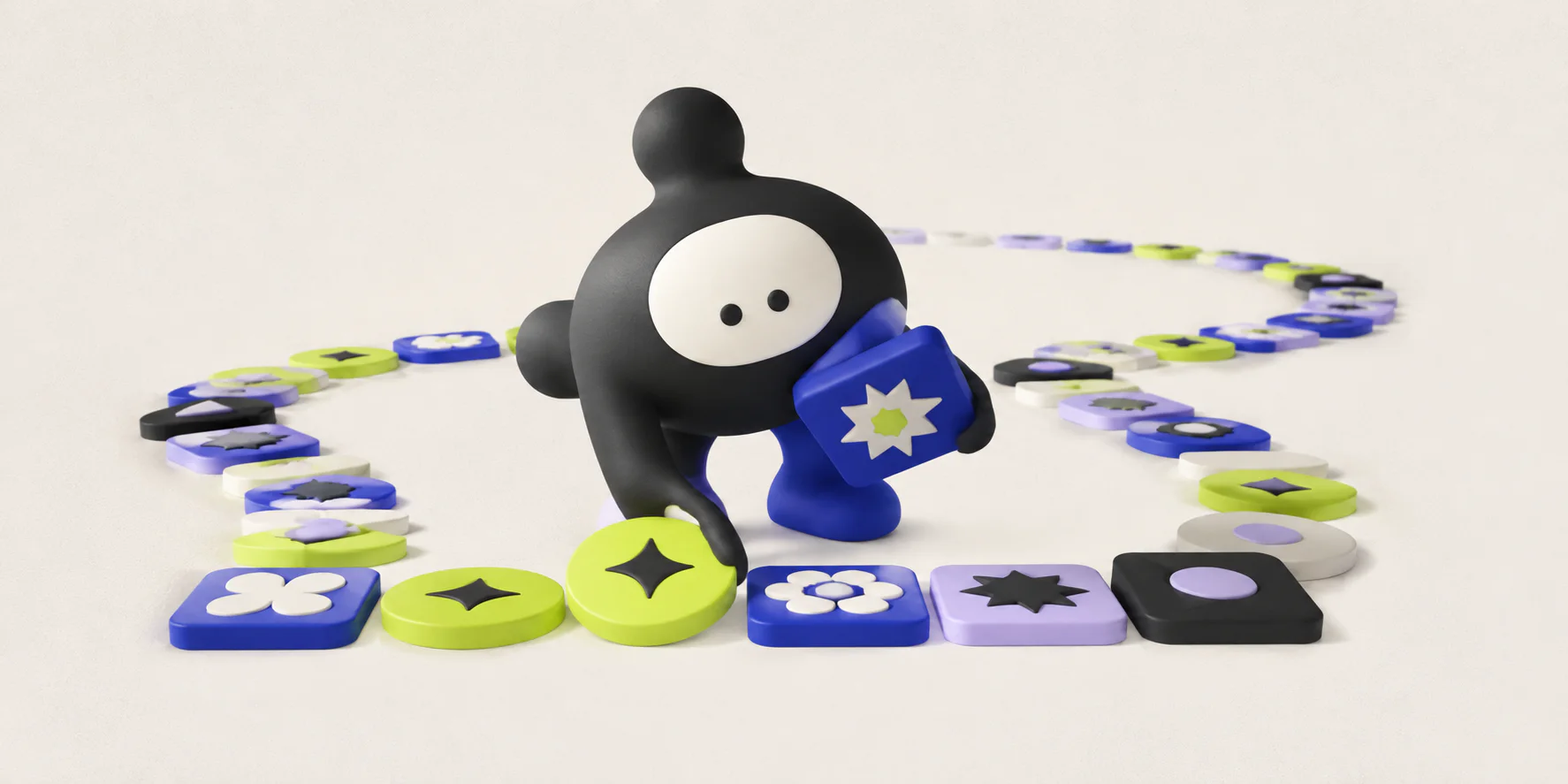
Apples karakter begon in de MacBook Neo campagne als een kleine, tactiele personificatie van de Finder pictogram. Little Finder Guy is de naam die het publiek gaf, in plaats van een officiële productnaam. Het personage verhuisde van korte verschijningen naar korte video's, een WWDC pin en een golf van fan-made objecten en afbeeldingen.
De belangrijke correctie is dat de beschikbare bronnen een campagne mascotte vestigen, niet het gezicht van een Apple AI assistent. Zijn taak is cultureel in plaats van conversatief: maak Mac functies gemakkelijk om te kijken, zet een product lancering in een terugkerend verhaal en nodigt het publiek uit om te spelen met een vertrouwd merk asset.
Dat onderscheid versterkt het voorbeeld. Een personage hoeft geen vragen te beantwoorden om technologie menselijker te laten voelen. Soms is het zijn rol om mensen een herkenbare protagonist te geven voor leren, delen en herinneren.
Codey van ChatGPT
De metgezel maakt onzichtbaar werk gemakkelijker te volgen.
Codey verschijnt in de officiële documentatie van OpenAI In de desktop-app kan een huisdier zweven boven andere vensters en tonen of het werk wordt uitgevoerd, input nodig heeft, klaar is of geblokkeerd is geworden.
OpenAI is expliciet dat het kiezen van een huisdier verandert uiterlijk, niet hoe ChatGPT taken voltooit. Die grens is goed karakterontwerp. Codey pretendeert het model niet slimmer te maken; het geeft doorlopend werk een zichtbare, ambient aanwezigheid en een eenvoudige route terug naar de taak die aandacht nodig heeft.
Het systeem kan ook aangepaste huisdieren en reduced-motion still frames ondersteunen. Met andere woorden, het karakter wordt behandeld als een interfacelaag met toegankelijkheids- en personalisatiebeperkingen en niet alleen een afbeelding die naast de interface wordt geplaatst.
Vergelijking
Een gezicht wordt waardevol als het een herhaalbaar moment bezit.
Notion bezit het moment waarop het systeem van staat verandert. Apple bezit het moment waarop een functie een verhaal wordt. Codey bezit het moment waarop achtergrondwerk moet worden opgemerkt. Elk karakter is onvergetelijk omdat zijn gedrag is gekoppeld aan een terugkerende gebruiker of merk behoefte.
Voor organisaties die een Brandbot verkennen, dat suggereert een betere eerste workshop vraag dan Begin met het moment dat het moet bezitten en de verantwoordelijkheid die het moet dragen. De visuele taal kan die rol dan onderscheidend maken.
- Geef elke uitdrukking een communicatietaak
- Aparte productcapaciteit van karakter persoonlijkheid
- Bouw een gedragssysteem, geen map met poses
- Blijf eerlijk beweren over wat het karakter wel en niet kan doen
- Ontwerp voor elk oppervlak waar de rol herkenbaar moet blijven
De les is niet dat elke AI een mascotte nodig heeft. Het is dat elk nuttig karakter een duidelijke baan nodig heeft.
In een oogopslag
- 3
- Bekeken karaktersystemen
- 3
- verschillende taken voor de gebruiker en het merk
- 1
- gedeelde regel: geef de karakterverantwoordelijkheid