At the Workplace Vitality Conference, hosted by Workplace Vitality Hub and AI Innovation Center at High Tech Campus Eindhoven, we spoke about the next generation of digital support.
The session began with two figures shared in the room: one in three employees reporting burnout, and 76% of students reporting serious emotional distress. Behind the numbers is a hard design question—how can care scale when counselors cannot keep up?
A more approachable first step
Support can be available without pretending to be a professional.
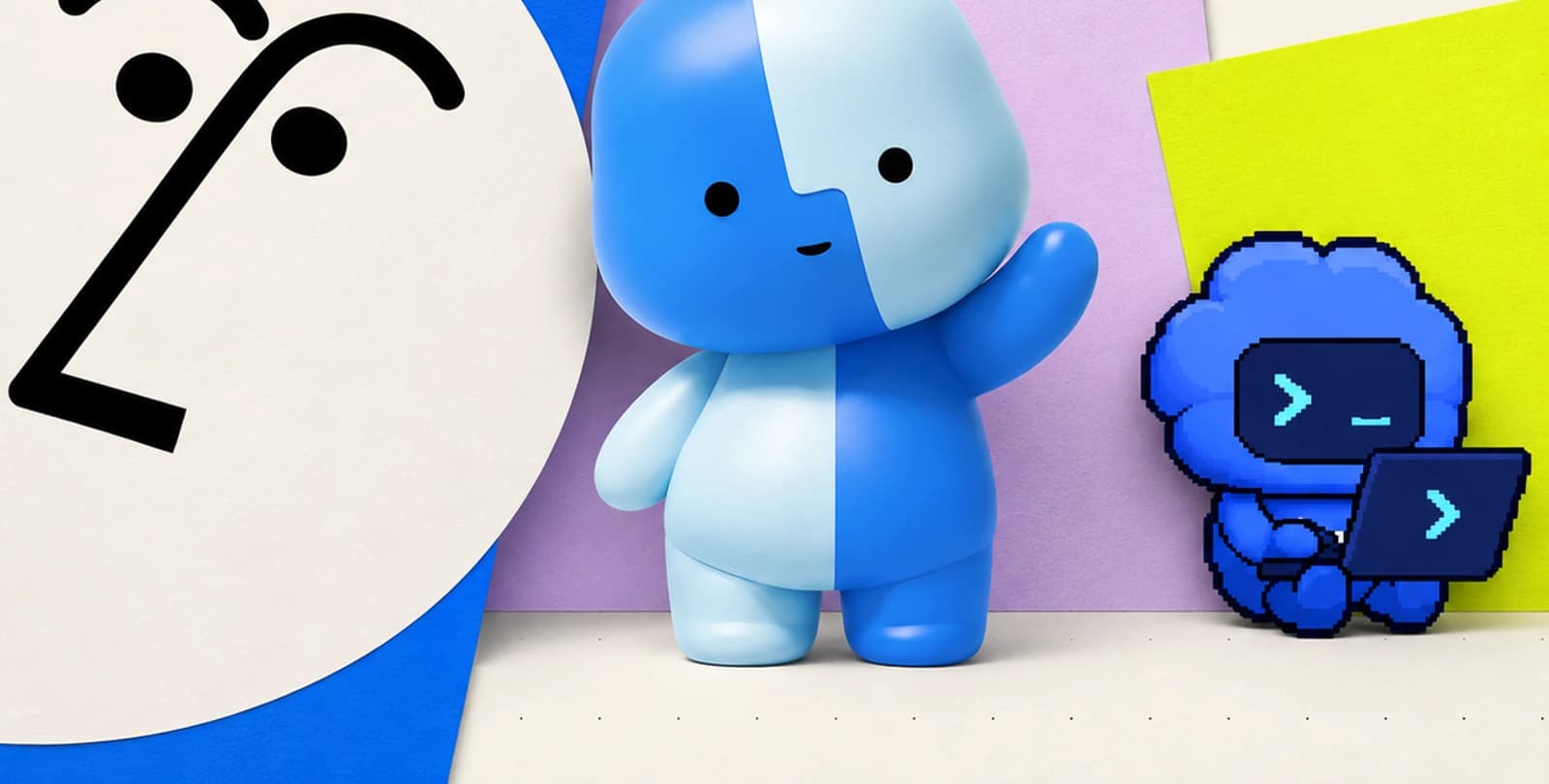
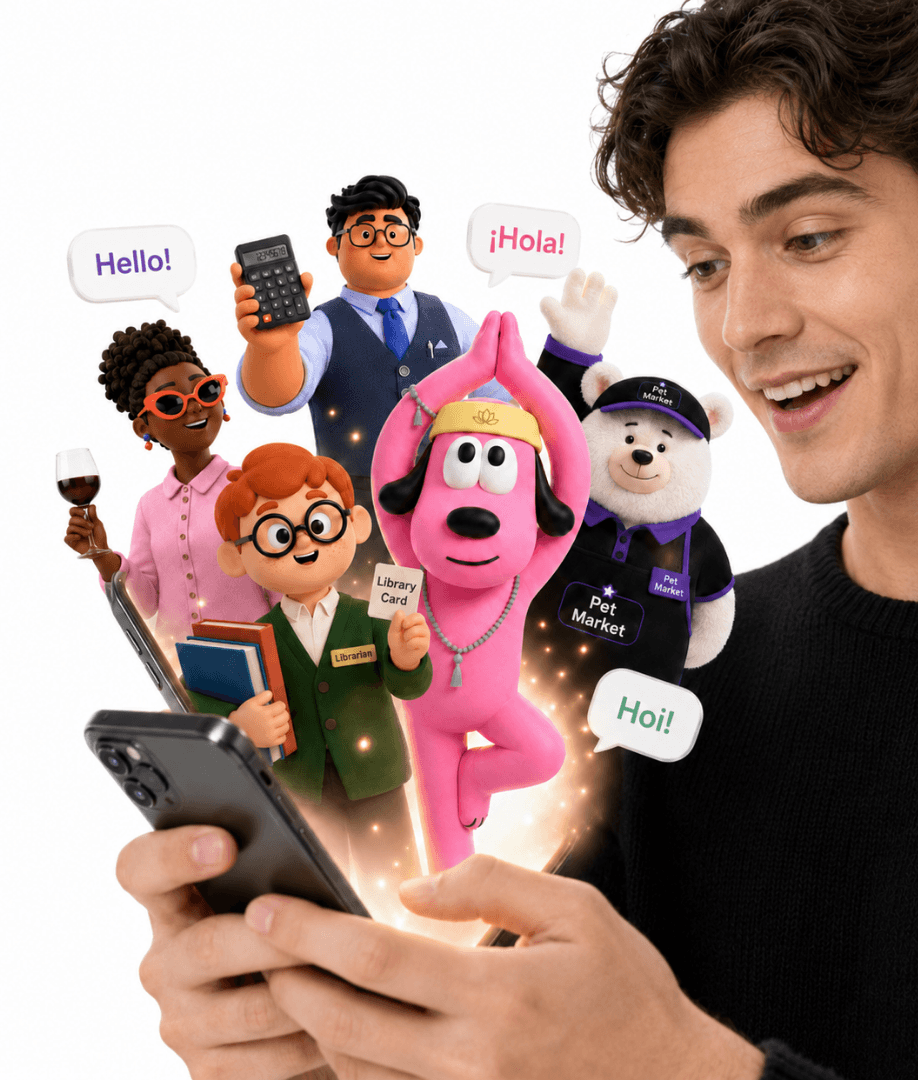
We believe an emotionally intelligent mascot can make the first interaction feel less clinical and less intimidating. A character with its own story, consistent personality and clear role can invite people into a conversation at any hour.
That role needs honest boundaries. A digital buddy can offer grounding exercises, help someone reflect, surface relevant resources and prepare a handoff. It should never obscure when a trained human professional is needed.
Designing for trust
Emotion is not decoration—it is interface feedback.
Facial expression, pacing and tone can help communicate that the system has recognised the emotional weight of a message. Done carefully, those cues make the interaction easier to read and help the user understand what happens next.
- Be clear about what the mascot can and cannot do
- Design escalation before the first conversation goes live
- Use approved guidance and keep sensitive journeys bounded
- Treat privacy and consent as part of the experience
A digital buddy should make human support easier to reach, not easier to replace.
At a glance
- 1 in 3
- employees—the burnout figure discussed during the session
- 76%
- students—the emotional-distress figure discussed during the session
- 24/7
- availability before the right human professional steps in